

September is when most Amazon sellers start thinking about Q4. It's also when the best opportunities are already picked over, the obvious seasonal products are flooded with new competition, and whatever operational habits you've been putting off all year suddenly become very expensive problems.
The sellers who have good Q4s aren't smarter. They just started earlier and they most probably do not treat "earlier" as just "order inventory sooner." They built a system to find the right products before the rush, test them before scaling, get operations clean before volume hits, and set up pricing rules before anyone has to make fast decisions under pressure.
This guide breaks that down into two areas: what to source before the rush, and what to fix before the volume hits.
Part one: Find and track opportunities before the rush
The real Q4 problem isn't October, it's September
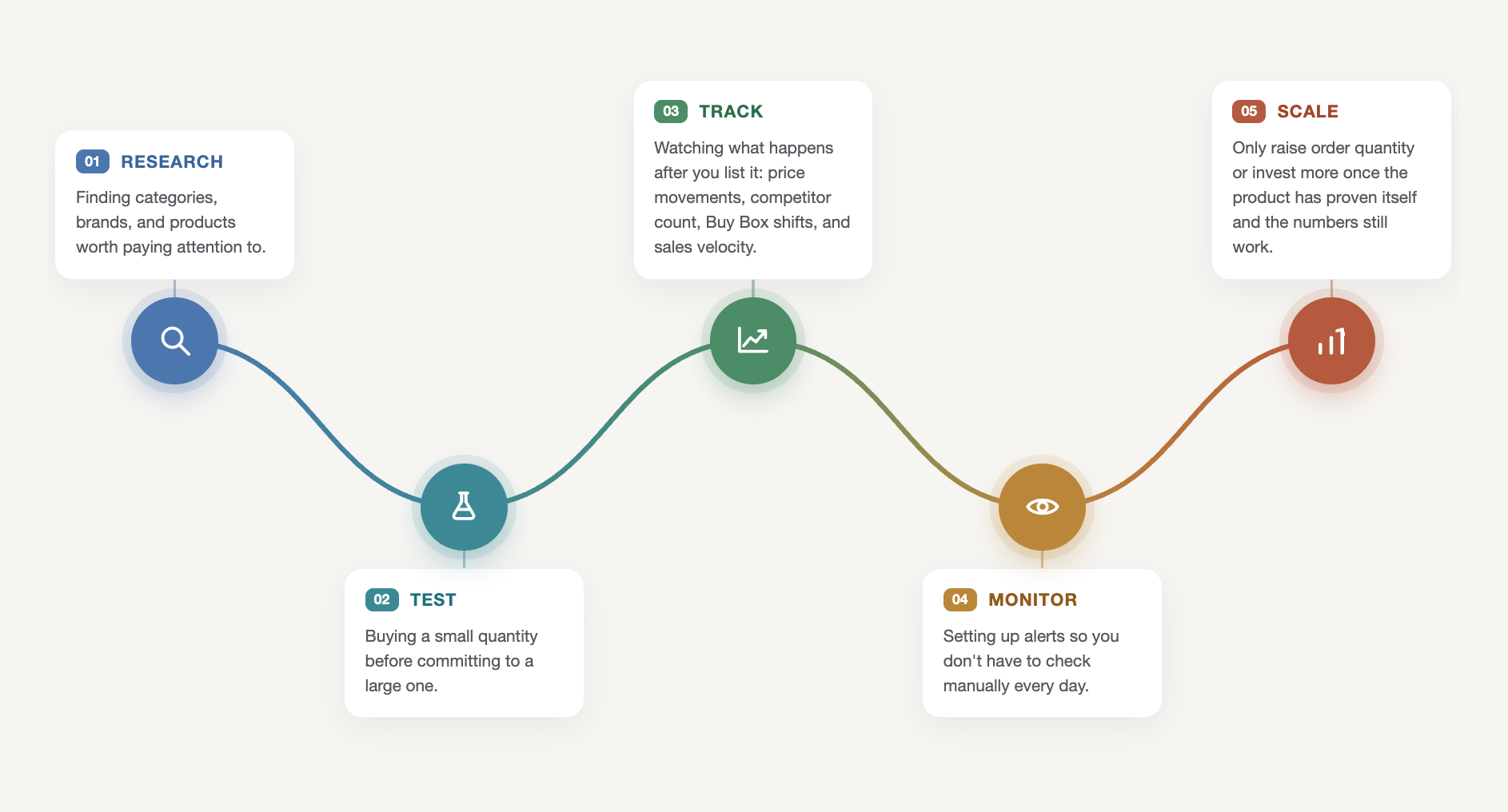
Find the right products before everyone else does
Validate beyond ROI
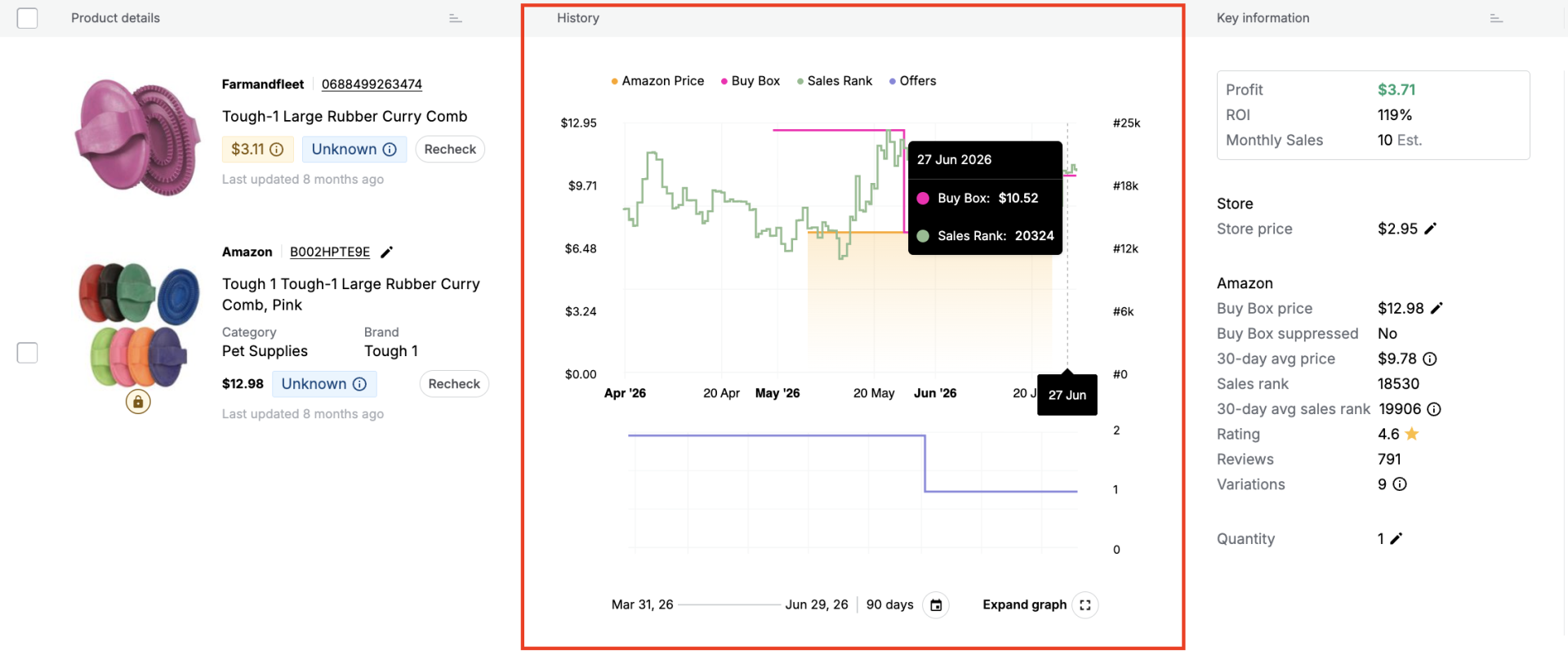
Can you sell it?
Check your approval status before anything else. Finding out you are restricted after ordering 50 units is an expensive lesson.
Can you source it again?
A product that worked once only matters if your supplier can repeat it. Confirm stock and lead times before you build a plan around it.
Is the demand real?
Review sales rank history and price history to see whether you are looking at consistent demand or a one-time spike that has already passed. A product ranked consistently under 5,000 is a different story from one that spiked once and is now at 400,000.
Can you ship it in time?
Factor in prep time, transit to the warehouse, and receiving timelines. Products that arrive after peak demand do not count.
Can you compete?
Count the active FBA sellers, check who holds the Buy Box, and see whether Amazon is on the listing. A strong margin on paper disappears fast when you are the eighth seller on a race-to-the-bottom listing.
Test buys: buy confidence before you buy inventory
Track and monitor before things get busy
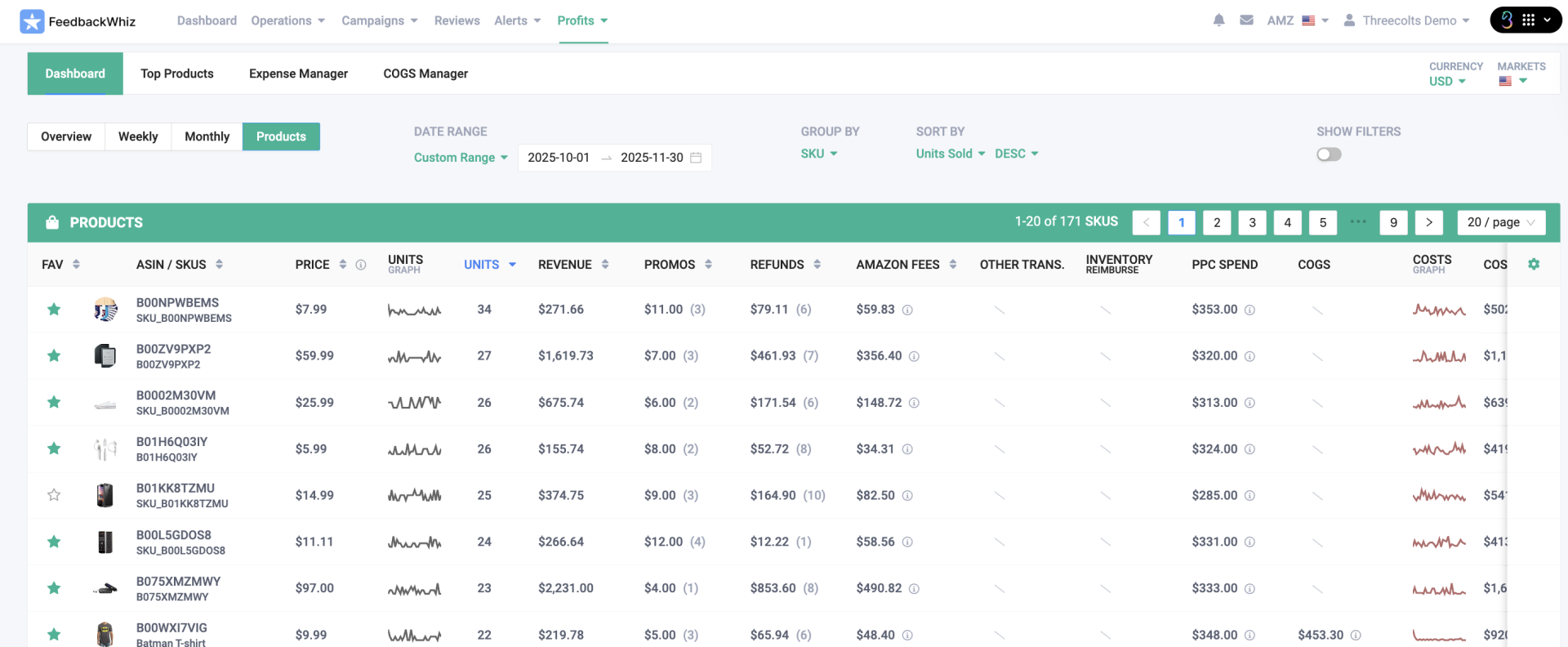
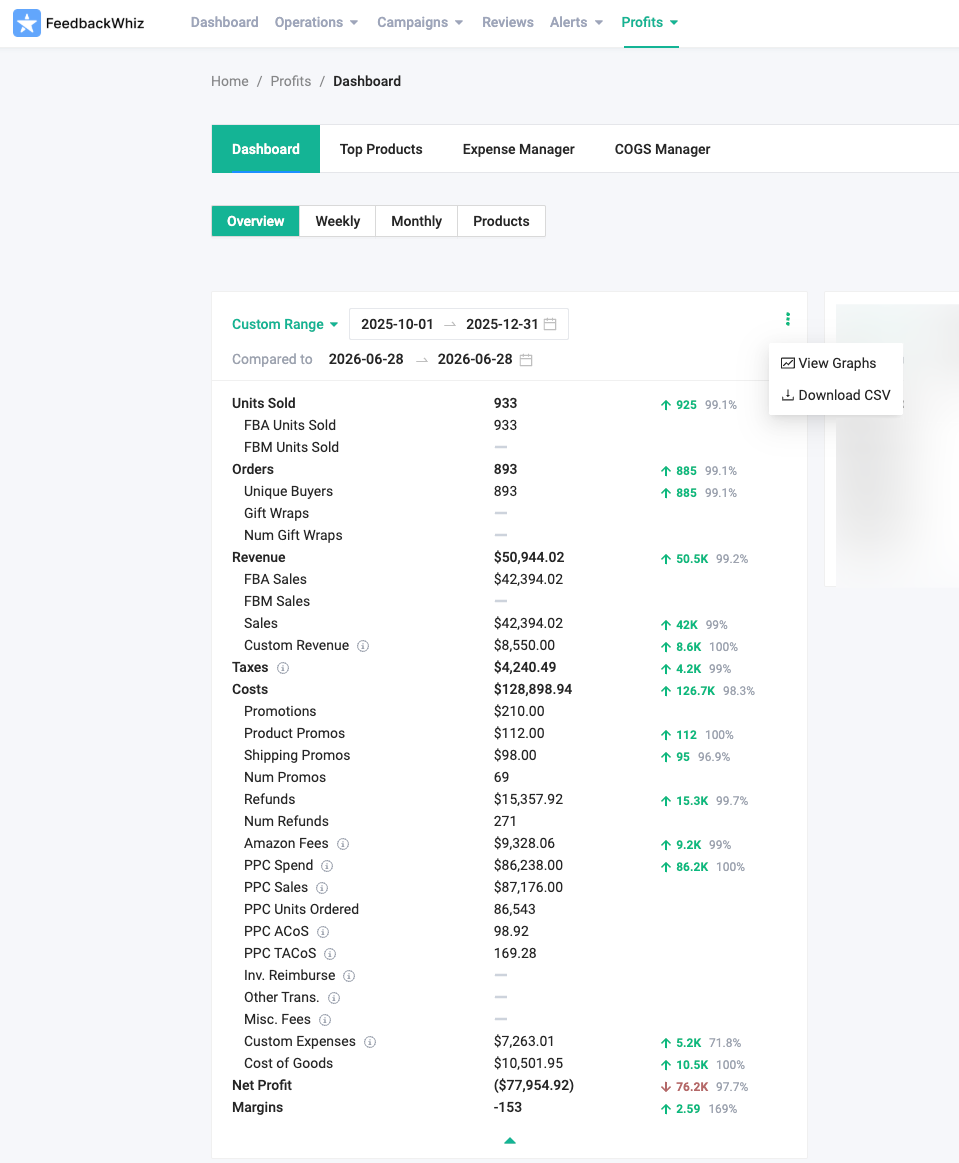
Part two: Build the systems that carry products through Q4
More volume will not fix a messy system
Clean up your listing and inventory workflow
Organize: clean listing flow
10-second product setup, smart boxing with intelligent automation, and a label center that automatically formats and validates every label to Amazon's exact specifications. No more rejections at the warehouse, no more manual formatting.
Track: know what happened
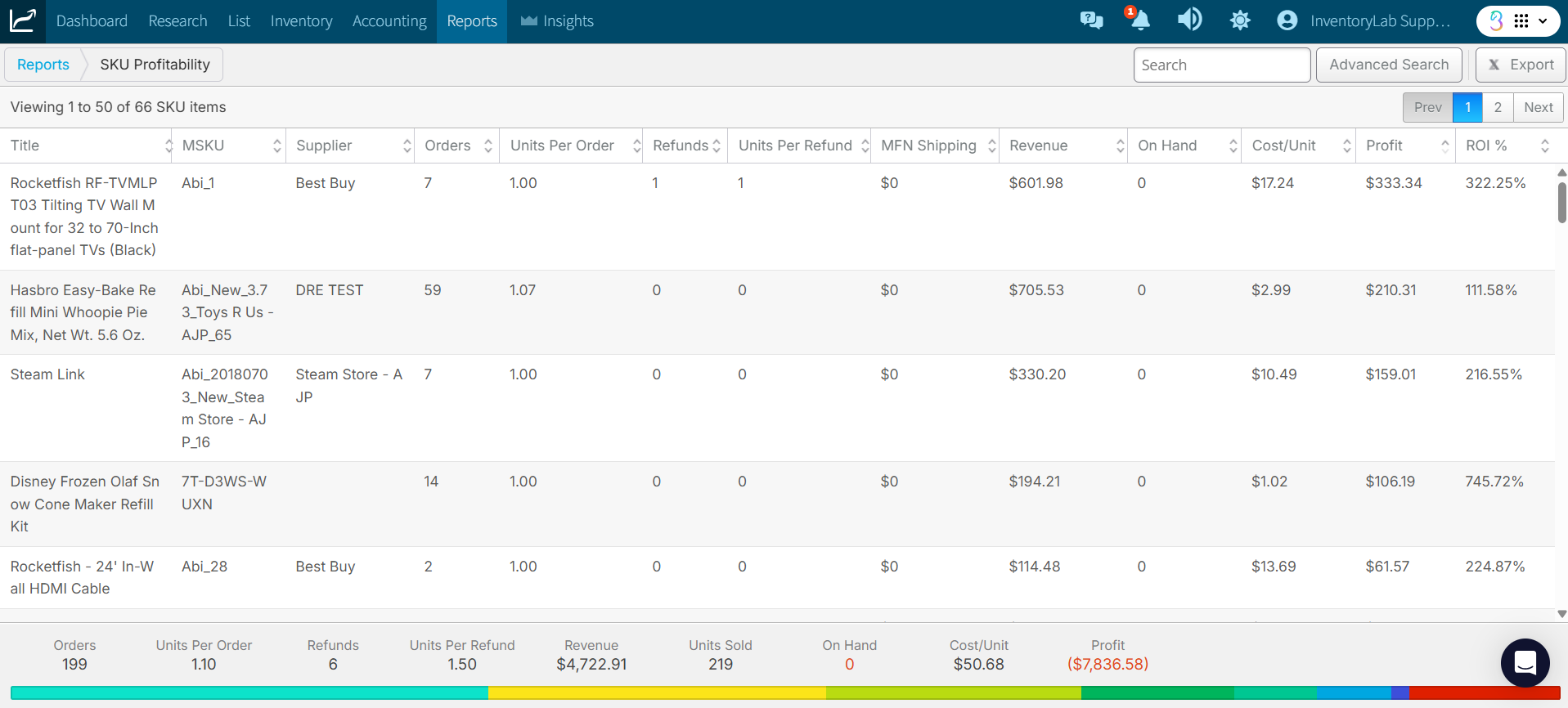
Buy cost is captured at listing, not estimated after the fact. Real-time fee tracking at every stage means when you pull a profitability report in July before placing a large August replenishment order, you're looking at actual margin, buy cost, FBA fees, returns included, not a number reconstructed from memory.
Prepare: plan the next buy
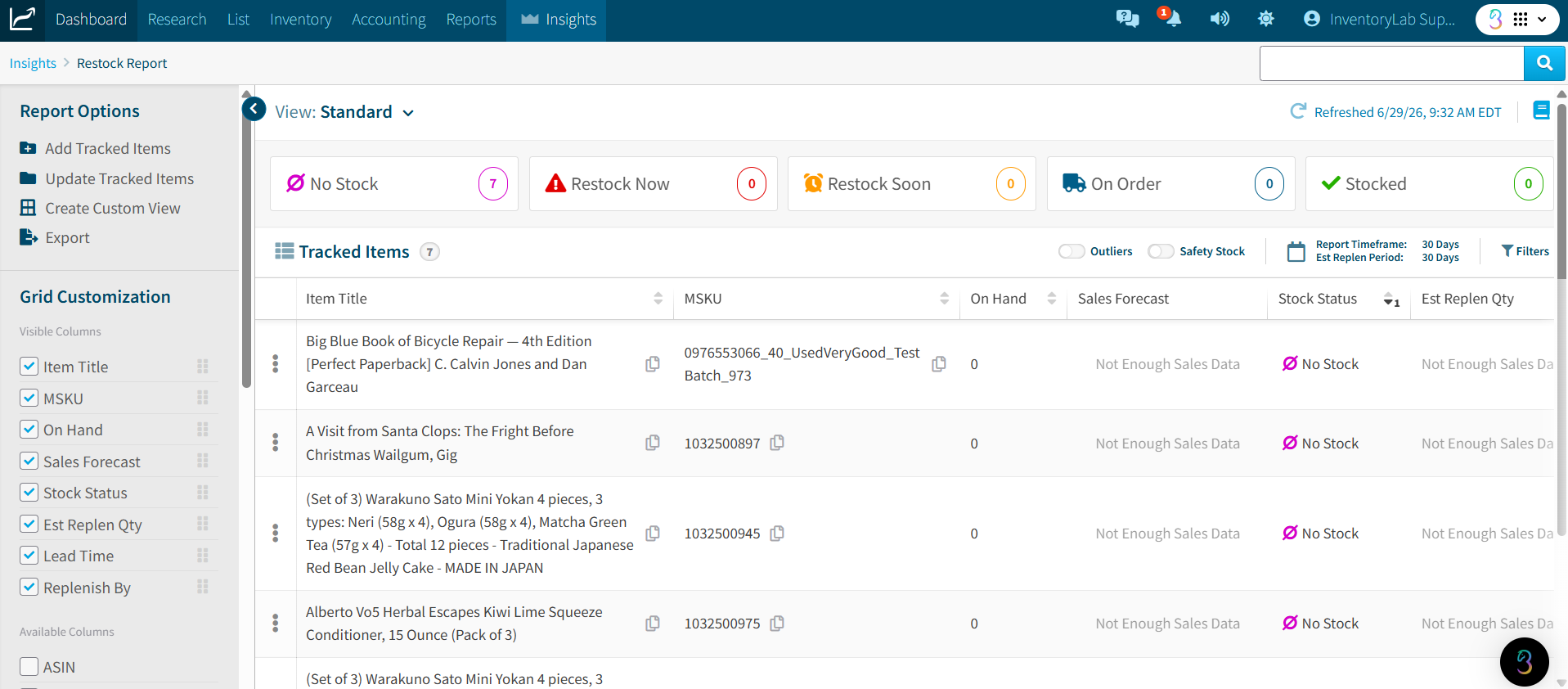
The inventory view shows what's moving, which products are worth rebuying, which shipments need attention, and which inventory is sitting forgotten and quietly accumulating storage fees. Spotting these before Q4 volume peaks is the difference between scaling what works and scaling what hurts.
Set repricing guardrails before pricing gets volatile
The prep timeline: June through peak season
June: Research and early testing
July: Validate what's working
August: Replenishment and system checks
September and beyond: Stay in control
The sellers who win Q4 started in June
Ready to get ahead of Q4?
Start your 14-day free trial or talk to an expert to see if it's the right fit for your operation.
Write your awesome label here.

©Threecolts - All rights reserved 2026
